
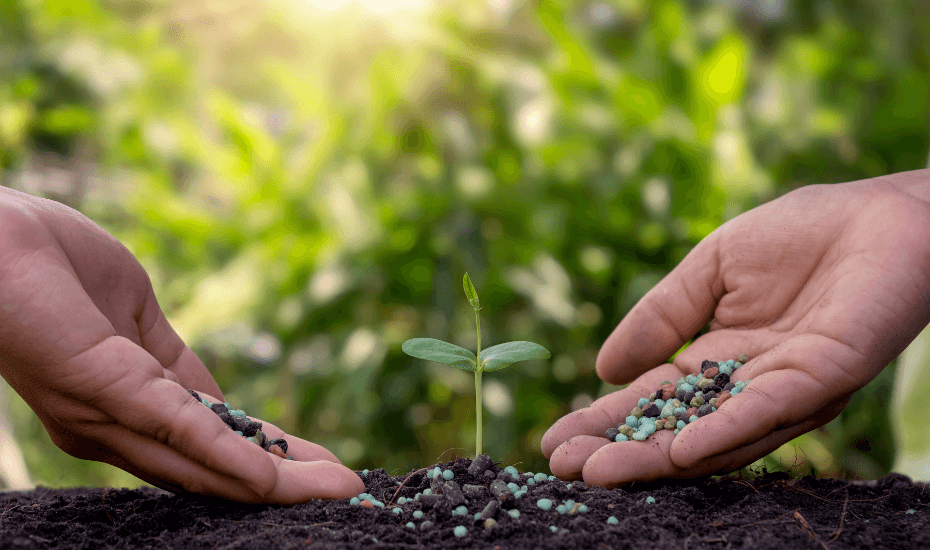
Agriculture has been a vital element of humankind since its existence. Food production, social order, culture, and economic development largely depend on agriculture. However, in the modern era, increasing population, climate change, and the depletion of natural resources have made it more critical than ever to practice agriculture using sustainable and ecological methods.
Below, we discuss why agriculture, sustainability, and ecology are inextricably linked and vital for our future.
1. The Soil as the Source of Life
Soil is not just a place where plants grow; it is a living system containing millions of microorganisms, minerals, and natural cycles.
When soil health deteriorates:
Productivity decreases,
Erosion increases,
The ecosystem balance is disrupted.
Therefore, soil is a fundamental source of life that must be protected.
2. The Vital Role of Sustainable Agriculture for the Future
Sustainable agriculture aims to both meet the needs of today and protect the food security of the future.
These methods:
It reduces the use of natural resources,
It minimizes the damage done to the environment.,
It guarantees long-term productivity.
Unsustainable production methods can lead to long-term losses in exchange for short-term gains.
3. Preservation of Ecological Balance
Plants, animals, insects, and microorganisms are all parts of a whole.
Disruption of an element in the ecological balance:
To the increase in pest populations,
To the decrease in plant diversity,
It can cause the ecosystem to collapse.
Therefore, biodiversity is the insurance of agriculture.
4. Responsible Use of Water Resources
Water is one of the most valuable and fastest-depleting resources in the world.
Agriculture accounts for a very large share of global water consumption.
Therefore, efficient use of water:
It prevents famine.,
It saves energy,
It protects the ecosystem.
Water management is one of the cornerstones of sustainable agriculture.
5. A Strategic Area in the Fight Against Climate Change
Agriculture is both affected by climate change and, if managed correctly, can be a powerful tool in the fight against it.
Soil, plants, and trees sequester carbon, which helps reduce harmful gases in the atmosphere.
Thanks to sustainable methods:
Carbon emissions can be reduced,
Carbon sequestration can be increased.
6. Ensuring Food Safety
A growing global population means a rapidly increasing demand for food.
Sustainable farming techniques:
It prevents soil depletion.,
It maintains efficiency in the long term.,
It guarantees access to healthy food for future generations.
Therefore, agriculture shapes not only the present but also the future.
Conclusion: The Way to Protect the Future
Agriculture, sustainability, and ecology cannot be considered separately.
Conserving the soil, using water responsibly, supporting biodiversity, and employing environmentally friendly production methods will carry both the planet and humanity into the future.
Environmentally friendly farming is not just a production model; it's a responsibility towards the planet, a promise to future generations.